Exenatide in diabetic cats
Blood sugar, remission and appetite pull this story in different directions. Letting the most attractive result swallow the others would lose too much.
Cats newly diagnosed with diabetes
A placebo-controlled pilot trial enrolled 30 newly diabetic pet cats. Both groups also received insulin and a low-carbohydrate diet. Remission was reported in 40% of the exenatide group and 20% of the saline group; that difference was not statistically significant (P = .427). Good metabolic control was reported in 89% versus 58%, again without statistical significance (P = .178).
The percentages are tempting. I can imagine the first comparison travelling much farther than its qualifier. But the pilot supports uncertainty about the group difference, even while it gives a reason to investigate further. The other treatment shared by the groups also needs to stay in the account.
This was research under veterinary supervision. Nothing in those figures identifies a treatment choice for an individual cat.
Cats already in remission
The 2025 placebo-controlled study asked about maintaining remission in 22 diabetic cats. Exenatide contributed to maintaining glycemic control, meaning control of blood sugar. It did not extend remission duration: the comparison gave p = 0.9.
I was hoping the remission result would be more encouraging. Instead, this paper makes me give separate answers to separate questions. A blood-sugar measure can move favourably while the duration of remission shows no difference.
The study was single-blinded, the groups were small, and nine cats left early. Those limitations matter to the confidence attached to either outcome. They also make a tidy declaration of success or failure feel premature.
Appetite and vomiting
In the newly diagnosed cat trial, decreased appetite was reported in 60% of the exenatide group and 20% of the placebo group (P = .06); vomiting was reported in 53% versus 40%. These were small groups receiving study-grade medicine with veterinary supervision.
The safety record also includes mild, self-limiting gastrointestinal signs and a single case of mild hypoglycemia in another small cat study. Hypoglycemia means low blood sugar. Long-term safety of GLP-1 drugs in cats and dogs is not established.
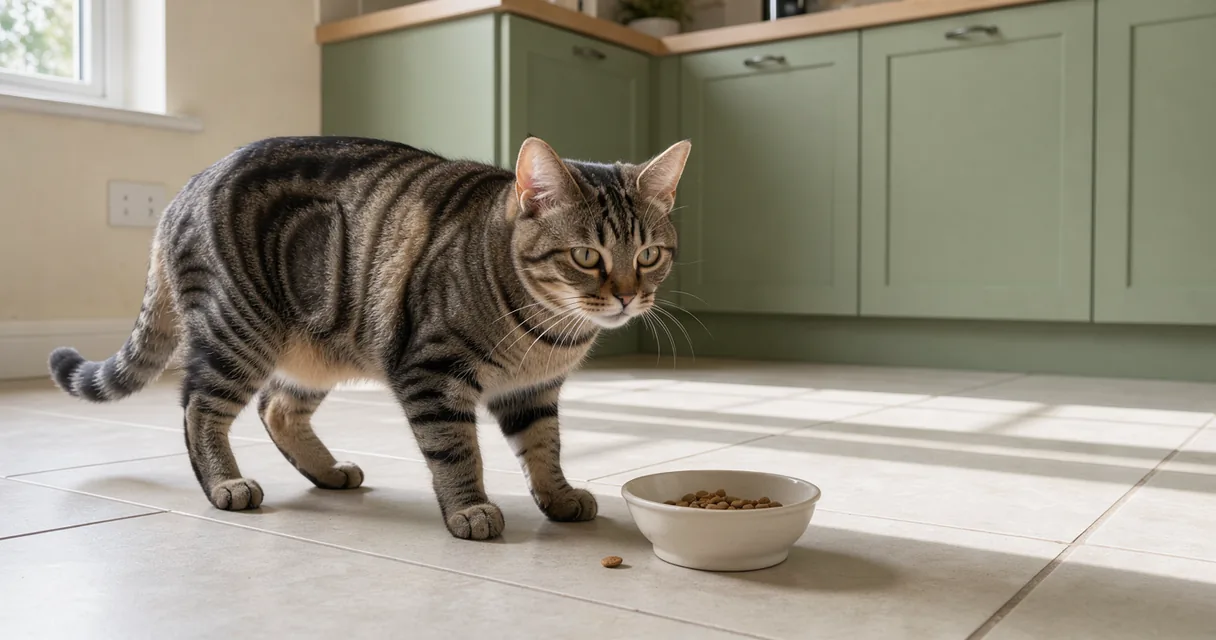
A reduced appetite earns no automatic enthusiasm from me. It is something to account for alongside the glucose and remission results. Questions about a cat eating less belong with its veterinarian, who can assess the animal behind the observation.
Questions left by the trials
I’d like a larger trial that can give a more dependable answer about remission, alongside a fuller account of adverse effects. The pilot in newly diabetic cats and the study in cats already in remission enrolled different populations and pursued different questions. Combining them into a single cheerful headline would blur both.
For the conversation about a particular cat, the veterinary notes begin with the purpose of the medicine and how a veterinarian would judge its effects. That seems a more useful destination for these papers than a borrowed treatment plan.